Overview: What is ADHD and how common is it?
More and more children and adults are being diagnosed with ADHD every year. Indeed, in America, more than 5 million children, adolescents and adults take medication to control their symptoms on a daily basis.
ADHD is generally diagnosed in childhood between the ages of 6 and 12. However, adults are now becoming aware of symptoms that affect their ability to work or maintain a full time job. As such, more adults are now being diagnosed with the condition.
ADHD is not a disease. It is a disorder or a syndrome. Doctors diagnose an individual with ADHD if they have a collection or an array of different symptoms. Many of the symptoms are behavioural. The most common symptoms that are well known both to children and young adults who are struggling with ADHD include:
Hyperactivity:
Your child may be restless, fidgety or may be constantly ‘on the go’. They may struggle to sit still in a classroom or at the dinner table and may instead always be running around, climbing or talking incessantly. Many may also struggle with sleep problems.
Impulsivity:
Your child may interrupt incessantly or be unable to wait their turn. They may become easily anxious, angry or irritable and some children may become aggressive. Many with ADHD struggle to wait for their turn and cannot delay short-term pleasures for longer term gains.
Inattention:
You or your child may struggle to focus, listen or pay attention. You may find it difficult to complete tasks and you may be very messy or disorganised, always forgetting things or misplacing them. You may struggle to pay attention to details, have a poor memory and actively dislike trying to participate in activities that require focus and directed energy. You may make careless mistakes and become easily distracted, preferring activities providing instant gratification. You may also have a reduced ability to plan, organise and complete tasks effectively.
It is important to remember that a diagnosis of ADHD does not define you or your child as an individual. People with ADHD do not just have problematic symptoms, they can also have many strengths and talents for example, they may be very sporty, energetic and creative, however it may be harder to access these talents due to their symptoms.
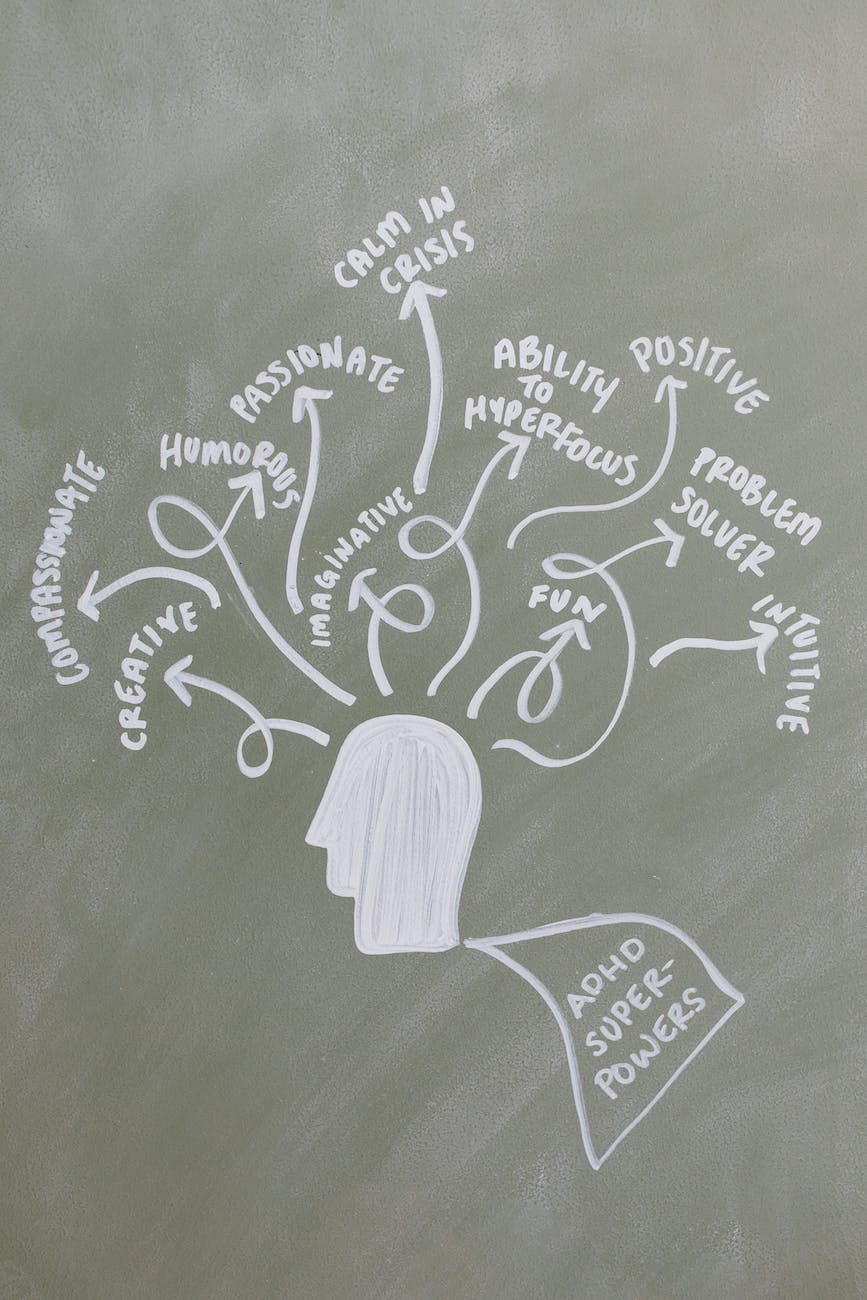
Impact of having ADHD
If an individual has a diagnosis of ADHD this can cause a multitude of problems, not only for that individual but also for their family and wider community (including the school or college and work environment). Many children with ADHD are often considered to be ‘bad’ children due to their disruptive behaviour. They may have problems with their family and have fewer friends in general. They may also be frequently criticised for their behaviour.
Children with a diagnosis of ADHD often engage in more risky behaviours, such as smoking, drinking, illegal drug use, driving recklessly and having sex at an earlier age. 30% drop out of high school compared to only 10% of children without the diagnosis.
Adults with ADHD are often inattentive and distractible. They may experience depression or anxiety and again may become addicted to drugs or smoke tobacco. They may struggle to achieve fully in their professional life.
However, there are many reasons why a child with ADHD behaves as they do and there are many ways in which this can be addressed effectively.
Causes of ADHD
There is generally no single one cause of ADHD and usually several factors may be triggers and can be implicated in a diagnosis. However, common causes include:
Genetics:
50% of children with a diagnosis of ADHD have a parent with the diagnosis too. Research highlights that the main genes affected for those with ADHD are those controlling the production and release of a range of neurotransmitters- such as dopamine and norepinephrine. These neurotransmitters are essential in regulating attention and helping establish focus.
Neurological:
The structure of the brain of many individuals with ADHD is also slightly different from those without the condition. Areas controlling attention and impulsivity amongst others are often affected and less active.
Environmental:
Exposure to a host of chemicals in the environment has also been closely linked with those with a diagnosis of ADHD. For example, those exposed to air pollution when in the womb have an increased likelihood of developing ADHD. Studies have highlighted that individuals with a diagnosis of ADHD often show more symptoms when exposed to an array of environmental factors.
Nutrition:
Commonly overlooked by doctors, nutritional imbalances can also drive many of the symptoms of an individual with ADHD. Deficiency or an overload of various nutrients can result in reduced focus, irritability, sleep problems and increased anxiety. An imbalance in minerals or impaired digestion can all affect an individual’s behaviour dramatically and should never be overlooked. In addition, many individuals with ADHD also demonstrate an array of food allergies or sensitivities and may have a host of digestive health concerns. Correcting nutritional deficiencies or imbalances can make a substantial improvement to an individual’s health and wellbeing alongside their behaviour.
How is ADHD managed medically?
Once diagnosed with ADHD, doctors will generally look to prescribe one of 3 main classes of medications to control an individual’s symptoms. These include: Amphetamines, methylphenidate medication and non-stimulant drugs. Some drugs last for longer than others. Often other causes of symptoms are not addressed and medication is the only treatment offered.
Although medications can help control an individual’s symptoms, they are not fool proof and can also result in a host of additional side effects including: altered appetite, sleeping difficulties, digestive disorders, neurological problems (e.g. headaches, dizziness and tics) and emotional problems including anxiety and irritability. Some individuals also experience allergic reactions such as a dry mouth or hair loss. Parents will often report that their child may be better controlled but may be different in personality.

My approach
Having ADHD can be both devastating and overwhelming. Your symptoms and condition can affect your ability to work, your home life, leisure pursuits, holidays, social life, relationships, motivation and mental well-being. There is, however, a lot that you can do to support and help improve your body’s ability to repair and heal.
Imagine that you are standing on a tack. How would you treat the pain and inflammation? The obvious answer is that you would take the tack out of your foot. You wouldn’t just take aspirin or painkillers until it felt better, you would address the root cause of the problem. The question should always be: ‘Why do I have these symptoms and this diagnosis’?
The symptoms of those struggling with ADHD can manifest due to a variety of factors such as a vitamin deficiency, food intolerance, thyroid disorder or toxin exposure. You can take medication to suppress your symptoms, however if your vitamin deficiency or sluggish thyroid are not restored to optimal levels or your food intolerance or toxic exposure not detected and removed, you will not return to full health.
Unlike conventional medicine (which carves your body into separate specialities such as your digestive or nervous system), I use a functional medicine approach. Functional medicine views your body as one whole, fully functioning, integrated system, rather than a host of isolated symptoms. It also takes into account your personal story. I aim to determine the root cause of your or your child’s ADHD and then work with you to address the underlying imbalances. I look at ways of lowering the stress and number of insults and inflammation that you are exposed to. We then work to improve your nutrition and gut health, detoxify and remove waste and both repair and boost your vitality. As a Nutritional Therapist, I am trained to consider your individual biochemical needs and to use food, and where relevant nutritional supplements and lifestyle changes, to address these needs. Once your triggers and mediators removed, your bodily tissue can begin to repair and you can start to notice profound changes in your health and vitality: how you look, feel and think.

Assessment
Rather than just addressing your diagnosis and related symptoms, I work with you to determine possible contributory risk factors that may be affecting your biochemistry and triggering the change in your immune system function.
An initial holistic assessment of your health, diet, lifestyle, symptoms, family history and medical needs will be conducted to identify any nutritional imbalances or factors which may be contributing to your health concerns and symptoms.
If potential causes remain unclear, I may advise GP or private functional laboratory testing (such as an evaluation of your gut function, nutritional deficiencies or bacterial overgrowth) to clarify any contributing underlying biochemical imbalances. Please see information on relevant diagnostic tests.

Explanation
Once assessed, I will then help you understand the potential origins of your condition. Written handouts may be provided for you to read at your leisure after your consultation.

Personalised Health Optimisation Plan
I will then work with you to design a bespoke nutritional and lifestyle programme using a wide variety of delicious food choices, to meet your health needs and help change your body’s biochemical environment. Changes introduced will address the root cause of your symptoms, thereby enabling you to manage your symptoms and condition more effectively whilst empowering you to regain control over your own health and reach your health goals. Every individual seen is unique and any advice provided is tailor-made to address your health concerns, dietary and lifestyle preferences, budget, medication, symptoms and needs at a pace that suits you. There is no ‘one-size-fits-all’ approach and no two programmes are the same. Changes are introduced gently and over time to ensure that they are achievable and that you do not feel overwhelmed. Your programme is reviewed and adjusted during follow-up consultations to support you on your journey to optimal health. Click here to read more about the consultation programmes I offer.

The 6 R’s
There are a wide range of approaches that may be of benefit to you. These can be explored to ensure that the right one is chosen to meet your specific needs. However, in general, I use the 6 R’s approach outlined below. The staging and timing of the protocol are essential to the success of the programme and although written as 6 steps, one or more of these may be undertaken simultaneously as required:
- Remove: I will work with you to remove factors that may be triggering your symptoms (such as foods, toxins, hidden or latent infections and stress).
- Replace: We will replace any foods and nutrients that your body may be lacking, to promote and support its ability to repair, metabolise, digest, detoxify, signal effectively and ensure our genes can express themselves appropriately. In some instances, nutritional supplements are recommended.
- Repair: We will help support bodily tissue that has been damaged by ensuring that the correct nutrients are in place to help it heal.
- Re-inoculate: Beneficial bacteria are vital to support not only our gut function but our overall health. At the correct time in your programme, we will ensure that these are introduced, using either probiotic food sources and / or supplementation if required.
- Re-balance: This stage addresses you as a whole to ensure that all relevant additional factors have been addressed to promote your health and well-being. This may include: your diet, lifestyle, family, hydration, sleep, stress levels and genes.
- Retest: Nutritional Therapy is a science and retesting is therefore a vital aspect of any nutritional programme. Retesting relevant components of your health helps determine the biochemical effectiveness of any intervention and also highlights any additional areas which may need to be addressed.
I hope that what I have written helps give you a brief overview of how making changes to your own diet and lifestyle can influence how well your body can work both physically and mentally and thereby can influence your overall health status.
If you would like more information or professional help to start improving your health, please contact me today.
Please note: Nutritional Therapy is a complementary therapy that can work well alongside other medical or complementary therapies. It does not replace any medical advice. Clients are always encouraged to consult with their GP regarding any health concerns or for advice, diagnosis and treatment. To get the most out of dietary and lifestyle interventions, please seek professional advice, as there is a plethora of misleading information currently available which may not be beneficial or specifically intended to meet your own identified needs. I am happy to work alongside other healthcare professionals or complementary therapists involved in your care to explain your Nutritional Therapy programme and to ensure it is safely and effectively implemented.
 +44 7503340186
  immuno.nutrition.uk@gmail.com
 ImmunoNutrition